Ceiling Replacement: When to Act and Why It's Worth Every Penny
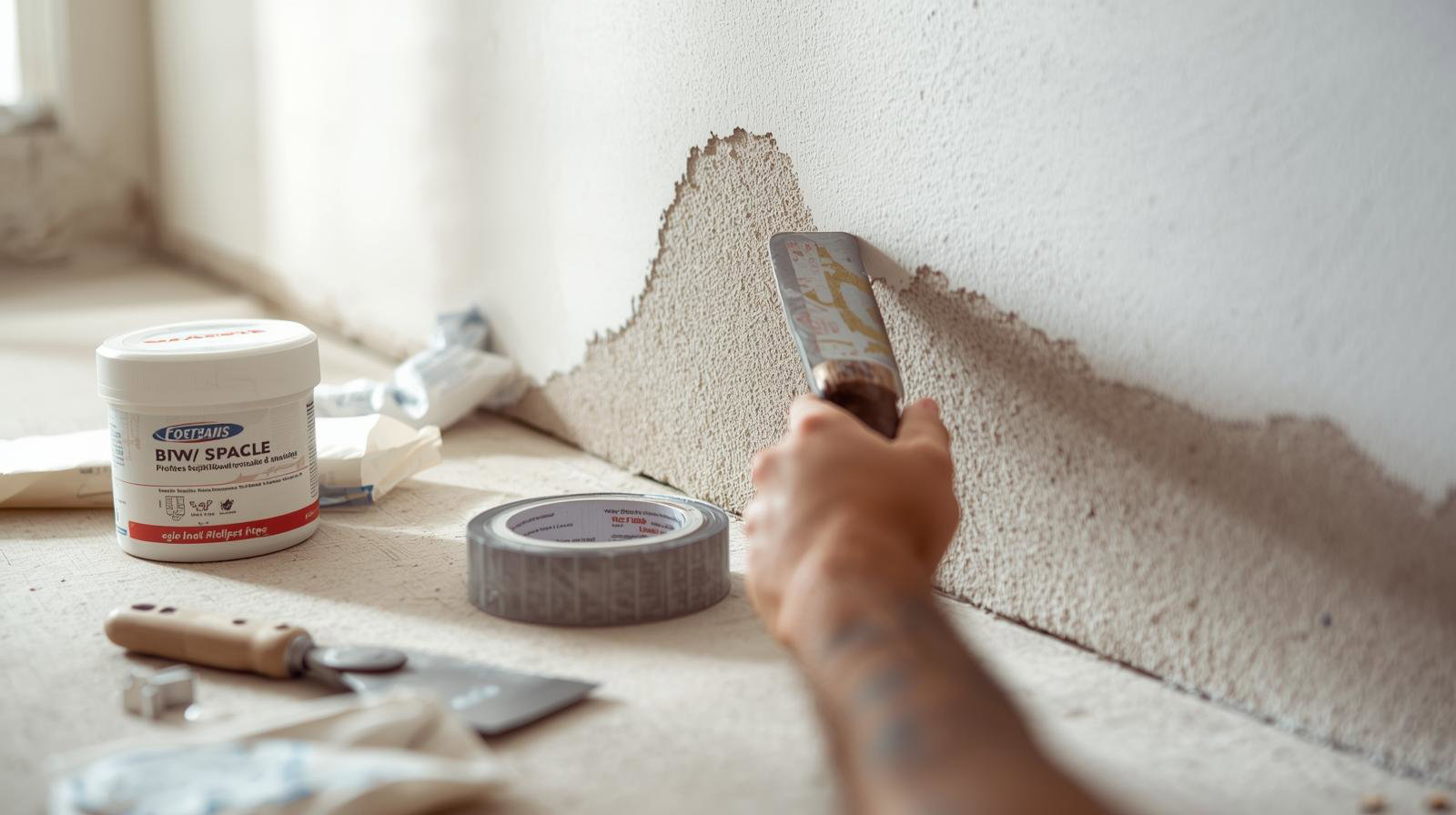
Your ceiling isn't something you think about until it starts demanding your attention — and when it does, it rarely whispers. Whether it's a stubborn water stain, a crack that seems to grow every week, or plaster that's beginning to sag in an unsettling way, these are all signs your home may be telling you it's time for a ceiling replacement. But what does that actually involve, and how do you know when repair just won't cut it anymore?
Why Ceilings Deteriorate Over Time
Ceilings take a beating silently. Moisture from a leaky roof, poor ventilation in bathrooms, or even the natural settling of an older home can cause significant structural and cosmetic damage over the years. Plaster ceilings, common in homes built before the 1950s, are especially susceptible to crumbling and detaching. Modern drywall ceilings, while more resilient, can still warp, crack, and mold if water finds its way in. The problem is that many homeowners patch the surface without addressing what's behind it — and that's where the real trouble hides.
Signs You Need a Full Ceiling Replacement
Not every crack or stain calls for a full tear-out, but certain warning signs should never be ignored. If you notice any of the following, a ceiling replacement is likely your best path forward:
Sagging or bowing sections — This is a structural red flag. A ceiling that droops in the middle or along the edges may be waterlogged or have broken joists.
Widespread water damage — One small stain can sometimes be patched, but if the damage covers a large area or keeps coming back, the underlying material is compromised.
Persistent mold or mildew — Mold doesn't just look bad; it's a health hazard. If it has penetrated deep into the ceiling material, replacement is the only reliable solution.
Aged or crumbling plaster — Old plaster naturally loses its bonding strength. When large sections start to come loose, partial repair can actually make things worse over time.
The Real Cost of Waiting
Delaying a ceiling replacement is rarely a money-saving move. What starts as a small damp patch can escalate into mold that spreads to walls, insulation, and even the structural framing. In older New England homes especially, where winter moisture and cold cycles are relentless, a deteriorating ceiling can compound quickly. The longer you wait, the more extensive — and expensive — the job becomes. Addressing it early protects not just the aesthetics of your home, but its structural integrity and your family's health.
What a Professional Ceiling Replacement Involves
A proper ceiling replacement isn't just about slapping up new drywall. A skilled contractor will first identify and resolve the root cause — whether that's a roof leak, pipe issue, or ventilation problem. Only then is the damaged ceiling material removed safely, the framing inspected, and new material installed, finished, and matched to the surrounding surface. In historic homes, this can mean skilled plaster work that preserves the original character of the space. Cutting corners on any step in this process means the problem is likely to return.
How to Spread the Word About Home Maintenance
If you've gone through a ceiling replacement and want to help your neighbors or friends avoid the same headaches, sharing your experience on social media can make a real difference. Posting before-and-after photos on Facebook or tagging a local plastering company on Instagram helps others in your community recognize the warning signs early. A quick post or retweet on X about the importance of proactive home maintenance can reach far more people than you'd expect — and it might just save someone from a costly emergency repair down the line.
DIY vs. Hiring a Professional
There's no shortage of online tutorials encouraging homeowners to tackle ceiling work themselves, and for minor touch-ups, that can be reasonable. But a full ceiling replacement is a different story entirely. It involves working overhead with heavy materials, matching existing textures and finishes, and ensuring the job meets building codes. Mistakes are expensive to fix and can affect resale value. More importantly, if the underlying issue — moisture, mold, structural damage — isn't correctly addressed, you'll be right back where you started within a year or two.
Choosing the Right Contractor
Not all plastering and ceiling contractors are created equal. When vetting a company, look for demonstrated experience with the specific type of ceiling in your home, clear communication about the scope and timeline of work, and verifiable reviews from past clients. Ask to see examples of completed projects similar to yours. A contractor who takes time to explain the root cause of your damage — not just the cosmetic fix — is one worth trusting with your home.
When it comes to ceiling replacement in the Greater Boston area, homeowners trust the skilled team at Boston Plastering. With deep expertise in both traditional plaster and modern drywall systems, they bring the craftsmanship and care your home deserves — delivering results that last for decades, not just a season.
Visit this link for another blog : Interior Plastering
