How to Fix Damaged Walls the Right Way: A Homeowner's Guide to Drywall Repair in Newton, MA
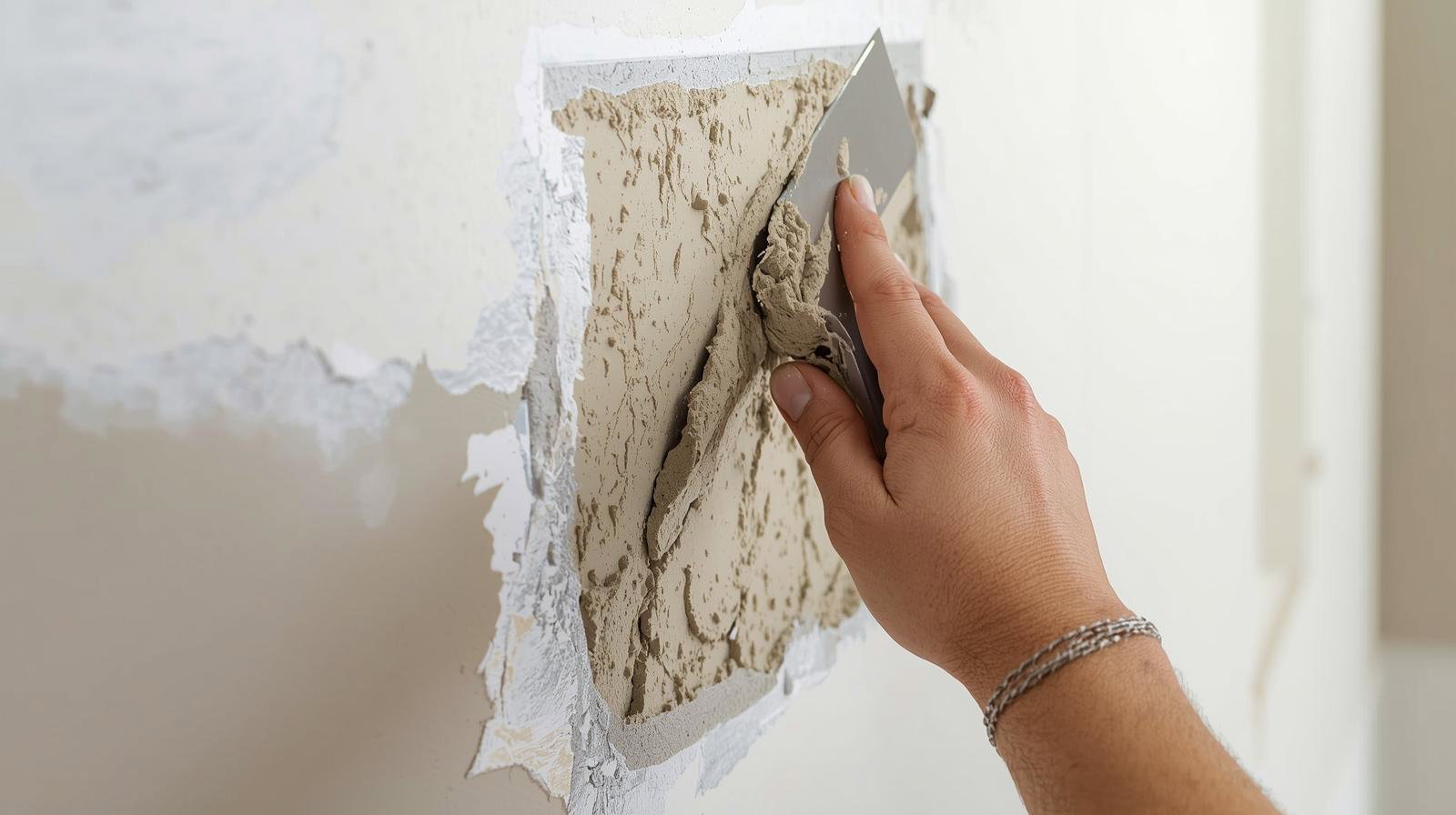
If you've ever stared at a crack snaking across your living room ceiling or a fist-sized hole behind a door that swung open a little too hard, you know the sinking feeling that comes with wall damage. It's not just an eyesore — left alone, small issues can grow into bigger, costlier problems. That's why so many homeowners searching for drywall repair Newton, MA are looking for more than a quick patch job. They want a lasting fix that blends seamlessly into their walls and holds up for years to come. Newton is a city full of character, from classic Victorian homes near Newton Centre to newer builds scattered throughout villages like Waban, Auburndale, and Chestnut Hill. Older homes often come with plaster walls that have settled over decades, while newer construction typically relies on standard drywall. Either way, wear and tear happens. Understanding what causes wall damage — and how professionals approach fixing it — can help you make smarter decisions about your home.
Why Walls Crack, Dent, and Crumble
Before diving into repair solutions, it helps to understand what's actually happening behind the surface. Walls take a beating from everyday life, and New England's shifting seasons don't do them any favors.
Humidity and temperature swings. Massachusetts winters are cold and dry, while summers can get humid. This constant expansion and contraction stresses drywall seams and plaster joints, often leading to hairline cracks around doorways, windows, and ceiling corners.
Settling foundations. Many Newton homes are older, and as foundations settle over time, walls can shift ever so slightly. This creates diagonal cracks, especially near corners and above door frames.
Water damage. A leaky pipe, an ice dam, or a roof issue can soak drywall from the inside out, causing it to bubble, discolor, or crumble. Even a small, slow leak can cause significant damage if it goes unnoticed for weeks or months.
Everyday accidents. Moving furniture, doorknobs banging into walls, or kids roughhousing indoors — it happens to everyone. These impact dents and holes are some of the most common reasons homeowners search for help.
Old age. Plaster walls in homes built before the 1950s were constructive differently than modern drywall, using layers of plaster over wood or metal lath. Over the decades, this plaster can lose its bond with the lath, causing bulging, cracking, or crumbling that requires specialized repair techniques.
DIY vs. Professional Repair: What's the Real Difference?
It's tempting to grab a tub of spackle from the hardware store and call it a day. For tiny nail holes, that's often fine. But for anything beyond superficial damage, DIY repairs tend to fall short in a few key ways.
First, there's the issue of matching texture. Walls aren't just flat surfaces — they have subtle textures, whether it's a smooth finish, an orange peel texture, or the slightly uneven surface typical of older plaster. A patch that doesn't match this texture will stick out like a sore thumb once it's painted, even if the color is perfect.
Second, structural issues often lurk beneath surface damage. A crack that looks minor on the outside might indicate a loose seam, an unsecured stud, or even moisture trapped behind the wall. Without addressing the root cause, that crack will simply return in a few months.
Third, there's the matter of blending old and new materials. In older Newton homes with genuine plaster walls, patching with standard drywall compound often creates a visible seam or a section that behaves differently over time — cracking again while the surrounding plaster stays intact. Skilled plasterers know how to work with lime, gypsum, and other traditional materials to create a true match.
This is where hiring a professional makes a real difference. A team experienced in drywall repair Newton, MA homeowners rely on will assess the underlying cause, not just the surface symptom, then use the right materials and techniques for your specific type of wall.
What a Professional Repair Process Actually Looks Like
Understanding the steps involved can help set expectations, whether you're dealing with a single crack or a wall that needs a full overhaul.
- Inspection and diagnosis. A good contractor starts by examining the damage closely, checking for moisture, structural movement, or signs of a recurring issue rather than a one-time accident.
- Removing damaged material. Loose, crumbling, or water-damaged sections need to be cut away or scraped back to solid material before any patching begins. Skipping this step is one of the biggest reasons DIY repairs fail.
- Reinforcing the area. For larger holes, a backing board or mesh patch is often installed to give the new material something solid to adhere to.
- Applying compound or plaster. This is where skill really shows. Multiple thin coats, each fully dried and sanded before the next, create a smooth, durable surface rather than a lumpy patch.
- Texture matching. Whether it's a knockdown texture, smooth finish, or traditional plaster look, this step is what makes a repair invisible once it's painted.
- Priming and finishing. A proper primer coat ensures paint adheres evenly, preventing that dreaded flat spot where the patched area soaks up paint differently than the surrounding wall.
Signs It's Time to Call in the Pros
Not every mark on your wall needs professional attention, but certain signs suggest it's worth getting an expert opinion sooner rather than later:
- Cracks that keep reappearing after you've patched them yourself
- Soft, spongy, or bubbling drywall (a strong indicator of water damage)
- Discoloration or staining, especially yellow or brown patches
- Sagging ceilings or bulging wall sections
- Cracks wider than a quarter-inch or that run diagonally from corners
- Musty odors near a damaged area, which can point to hidden mold
If you notice any of these, it's worth having a professional take a look before the issue grows into a bigger — and more expensive — project.
Choosing the Right Team for the Job
When you're comparing contractors for drywall repair Newton, MA projects, a few things separate the good from the great. Look for a team with genuine experience in both modern drywall and traditional plaster, since Newton's mix of historic and newer homes calls for versatility. Ask about their process for texture matching, and don't hesitate to request photos of past work. A trustworthy contractor will also take the time to explain what caused the damage in the first place, rather than just patching over it and moving on.Pricing transparency matters too. A reputable company will walk you through the scope of work, materials involved, and expected timeline before starting, so there are no surprises once the job is underway.
Small Repairs Now Save Bigger Headaches Later
It's easy to put off wall repairs, especially when the damage seems minor. But small cracks and holes rarely stay small. Moisture finds its way into gaps, temperature swings widen existing cracks, and what starts as a cosmetic issue can eventually affect insulation, air quality, or even structural integrity. Addressing damage early — with the right expertise — almost always costs less time and money than waiting.
Whether you're dealing with a single crack from winter settling, a water stain from an old roof leak, or a wall that's simply seen better days after years of daily life, getting it repaired properly makes a noticeable difference in how your home looks and feels. A wall that's patched well disappears into the background, exactly the way it should.
If you're ready to get your walls looking their best again, Boston Plastering brings years of hands-on experience repairing both modern drywall and historic plaster throughout the area. From matching tricky textures to tracking down the real cause of a stubborn crack, their team approaches every project with the kind of care that turns a damaged wall into one you'd never guess was repaired at all. For anyone in need of reliable drywall repair Newton, MA, it's worth reaching out before a small issue turns into a bigger one.
Visit this link for another blog : Texture Plaster Repair
