Residential Plastering: What Every Homeowner Should Know Before Hiring a Pro
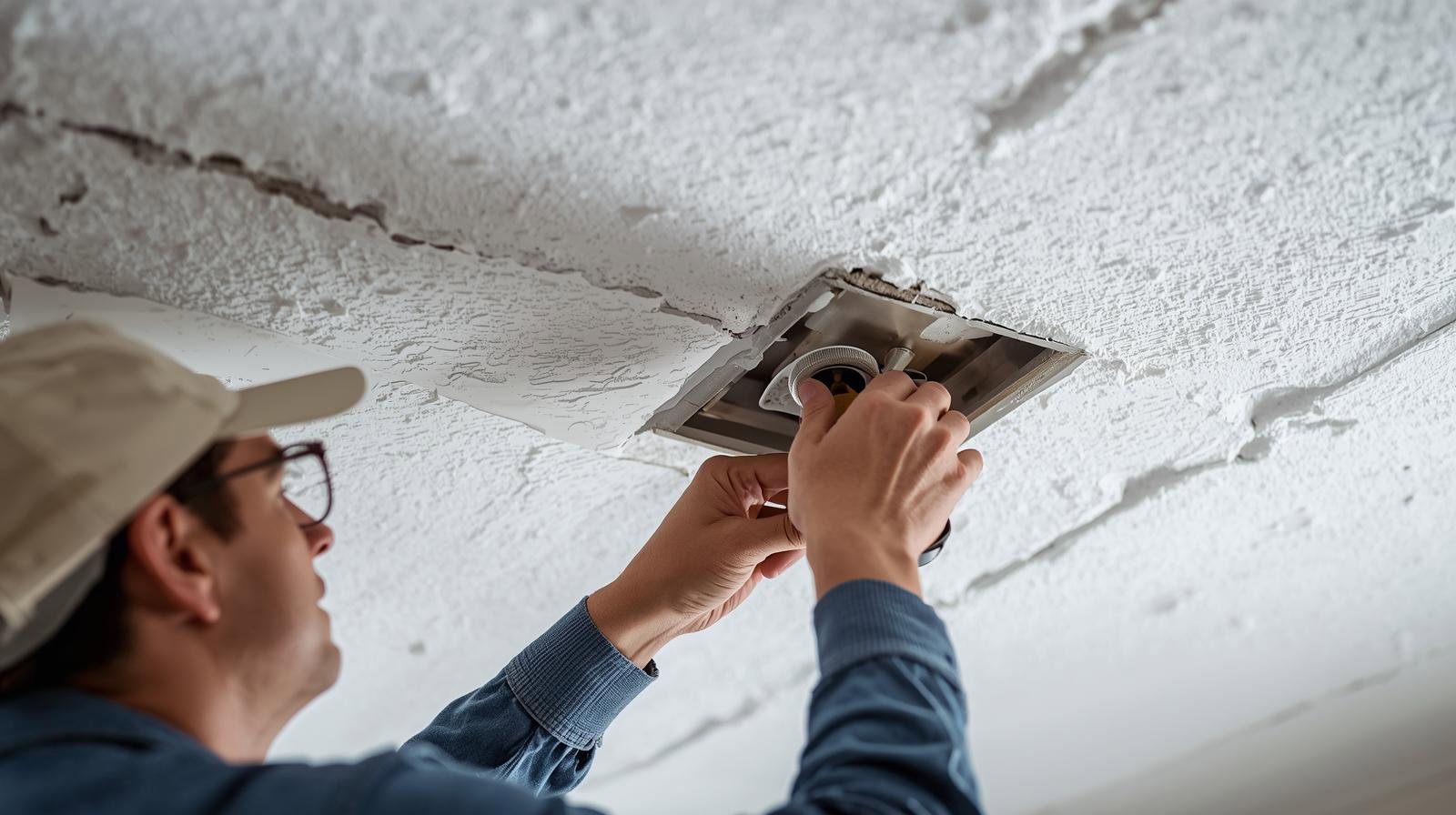
There's a reason plaster has been used to finish interior walls for centuries. It's durable, it hides imperfections well, and when applied correctly, it gives a home a solid, timeless feel that drywall alone often can't match. But not every plastering job is created equal, and homeowners are often surprised by how much skill goes into getting it right. Whether you're restoring an older home's original walls or updating a newer build, understanding what residential plastering actually involves can help you make better decisions, avoid costly mistakes, and set realistic expectations for the finished result.
Many homeowners only start researching this topic after noticing a problem: cracks spreading across the ceiling, a bulging patch near a window, or walls that feel soft and crumbly to the touch. By the time these issues show up, the underlying plaster has usually been deteriorating for a while. Knowing what to look for, and who to call, can save you from a small repair turning into a major renovation.
What Residential Plastering Actually Involves
At its core, plastering is the process of applying a workable paste, traditionally made from lime, sand, and water, or more commonly today, gypsum-based compounds, to interior walls and ceilings. Once it dries, it forms a hard, smooth, durable surface that can be painted, textured, or left as a decorative finish. Residential plastering covers everything from small patch repairs to full-room re-plastering, and the right approach depends heavily on the age and construction of the home.
Older homes, particularly those built before the mid-20th century, often have traditional lath-and-plaster walls, where the plaster is applied over thin strips of wood. These walls have a distinct feel and sound compared to modern drywall, and repairing them requires a different skill set than working with gypsum board. Newer homes typically use drywall with a skim coat of plaster or joint compound over the seams, which is a faster, more standardized process but still requires a careful hand to get an even, professional finish.
Signs Your Home Needs Plastering Work
Not every wall issue requires a full re-plastering job, but there are a few signs worth watching for. Hairline cracks that keep reappearing after painting often point to movement in the underlying structure or plaster that has separated from its base. Bulging or sagging sections, especially on ceilings, can indicate that the plaster has lost its bond with the lath or drywall behind it and may be at risk of falling. Soft, crumbly patches usually mean moisture has gotten into the wall, which needs to be addressed before any cosmetic repair is attempted.
If you're planning a renovation, it's also worth having your walls assessed before demolition begins. Removing old trim, fixtures, or built-ins can reveal plaster damage that wasn't visible before, and it's much easier to plan for repairs upfront than to deal with surprises mid-project.
Why DIY Plastering Rarely Goes as Planned
Plastering looks straightforward in online tutorials, but the material behaves very differently in real conditions than it does on camera. It sets on its own schedule, influenced by humidity, temperature, and the thickness of the application, and once it starts to firm up, there's a narrow window to get the surface level before it becomes unworkable. Homeowners attempting this for the first time often end up with visible trowel marks, uneven texture, or patches that dry a slightly different shade than the surrounding wall.
There's also the matter of matching existing textures. A home with decades-old plaster walls has a specific texture and thickness that's difficult to replicate without experience. Patch a section incorrectly, and the repair will stand out under certain lighting no matter how well it's painted. This is one of the main reasons homeowners eventually call in a professional, even after attempting the work themselves.
What to Expect From a Professional Plastering Job
A skilled plastering crew starts with an assessment of the wall's condition and construction type before recommending an approach. For minor repairs, this might mean removing damaged sections, applying a bonding agent, and building up new plaster in layers to match the existing wall thickness. For larger jobs, it could involve stripping a room back to the studs or lath and starting fresh with a full base coat and finish coat system.
Good residential plastering work also accounts for what happens after the plaster dries. Proper curing time, appropriate primer selection, and attention to how the finished surface will interact with paint all affect the long-term durability of the job. Rushing any of these steps tends to show up later in the form of peeling paint, hairline cracking, or a finish that never quite looks as crisp as it should.
Choosing the Right Plastering Contractor
Not all contractors who offer plastering services have deep experience with it. Plastering is a specialized trade, distinct from general drywall installation or painting, and it's worth asking specific questions before hiring anyone: How many years have they worked specifically with plaster? Have they handled homes similar in age and construction to yours? Can they show examples of past repair work, particularly on walls that needed to match existing texture?
A reputable contractor will be upfront about the scope of work needed, provide a clear timeline, and explain how they plan to match new plaster to your home's existing walls. Vague answers or a reluctance to share past project photos are usually a sign to keep looking. Taking the time to vet a contractor properly pays off in a finish that looks intentional and lasts for years rather than months.
Pricing is another area where it pays to ask questions upfront. A detailed quote should break down labor, materials, and any prep work separately, rather than offering a single vague number. This makes it easier to compare estimates fairly and understand exactly what you're paying for. Be cautious of quotes that seem unusually low, as they often signal shortcuts in either the materials used or the time spent getting the job done right.
Caring for Plastered Walls Long-Term
Once your walls are repaired or refinished, a bit of routine care keeps them looking their best. Manage indoor humidity to prevent moisture damage, address small cracks as soon as they appear rather than waiting for them to spread, and use proper anchors when hanging heavy items so you're not putting unnecessary stress on the plaster. Homes near the coast or in older neighborhoods with shifting foundations may need periodic check-ins from a professional to catch movement-related cracking early.
Seasonal changes matter too. As temperatures and humidity shift throughout the year, plaster naturally expands and contracts slightly. Keeping your home's climate relatively stable, fixing leaks promptly, and ventilating bathrooms and kitchens well all help extend the life of your walls and reduce the chance of needing major repairs down the road.
It's also worth keeping an eye on areas prone to impact damage, like hallways, stairwells, and spots near doorways where furniture or foot traffic might bump the wall over time. A small dent or scuff caught early is a quick fix, but left alone it can chip further and expose the layers underneath, making the eventual repair more noticeable. Simple habits, like using door stoppers and furniture pads, go a long way toward preserving a freshly finished wall.
Stay Connected for More Home Improvement Tips
Home renovation decisions are easier when you can see real examples of finished work. Many plastering companies share project photos, quick tips, and before-and-after transformations across their social channels, so it's worth following along for inspiration. Take a look at recent projects and behind-the-scenes updates on Facebook, X, and Instagram to get a better sense of what's possible for your own home before you start planning your next project.
Final Thoughts
Good plaster work is easy to take for granted until something goes wrong. Walls that are level, crack-free, and evenly finished quietly support everything else about your home's design, while poor residential plastering work tends to announce itself sooner or later, whether through cracking, peeling paint, or a texture that never quite matches. Understanding the process, knowing what red flags to watch for, and hiring someone with real, specialized experience all make the difference between a repair that lasts and one you'll be redoing within a year or two.
When it's time to bring in a team you can trust, Boston Plastering has the hands-on experience needed to handle everything from small patch jobs to full-home re-plastering. From assessing older lath-and-plaster walls to finishing new construction, the goal is always the same: walls that look right, hold up over time, and give your home the solid, polished feel it deserves.
Follow this link for another blog - Wall Repair in Newton